How to Decorate a Basement Bedroom

Estimated reading time 8 minutes
Basement bedrooms are a great way to unlock extra living space within your home, but decorating a room below ground level comes with its own set of considerations. Limited natural light, lower ceilings, and awkward architectural features can all influence how the space looks and feels.
However, with the right approach, a basement bedroom can feel every bit as inviting, stylish, and thoughtfully designed as any room above ground. In this guide, we'll explore the key steps to decorating a basement bedroom,
Making the most of limited natural light
Natural light is often the biggest challenge when decorating a basement bedroom. Even with well-designed light wells or larger windows, daylight levels are typically lower than elsewhere in the home. The key is to use strategic decorating choices to help the room feel brighter, more spacious, and more inviting throughout the day.
Light-reflecting colours and finishes
A light colour palette is one of the simplest ways to make a basement bedroom feel brighter. Warm whites, soft creams, gentle taupes, and other light neutrals can help to maximise the available light and create a comfortable, welcoming atmosphere. Although grey has been a popular interior colour for many years, cooler grey tones can sometimes feel flat or overly cold in rooms with limited daylight. Warmer neutrals tend to create a softer, more balanced backdrop that feels inviting throughout the year.
The finish you choose matters too. Eggshell and satin paints reflect more light than flat matt finishes, which can help light to travel around the room without creating excessive shine. This can be especially useful in darker corners or areas furthest from windows.
Layering artificial lighting
In a basement bedroom, artificial lighting should be treated as an essential design feature rather than an afterthought. Relying on a single ceiling fitting can leave parts of the room feeling dark, so it's best to layer different types of lighting throughout the space.
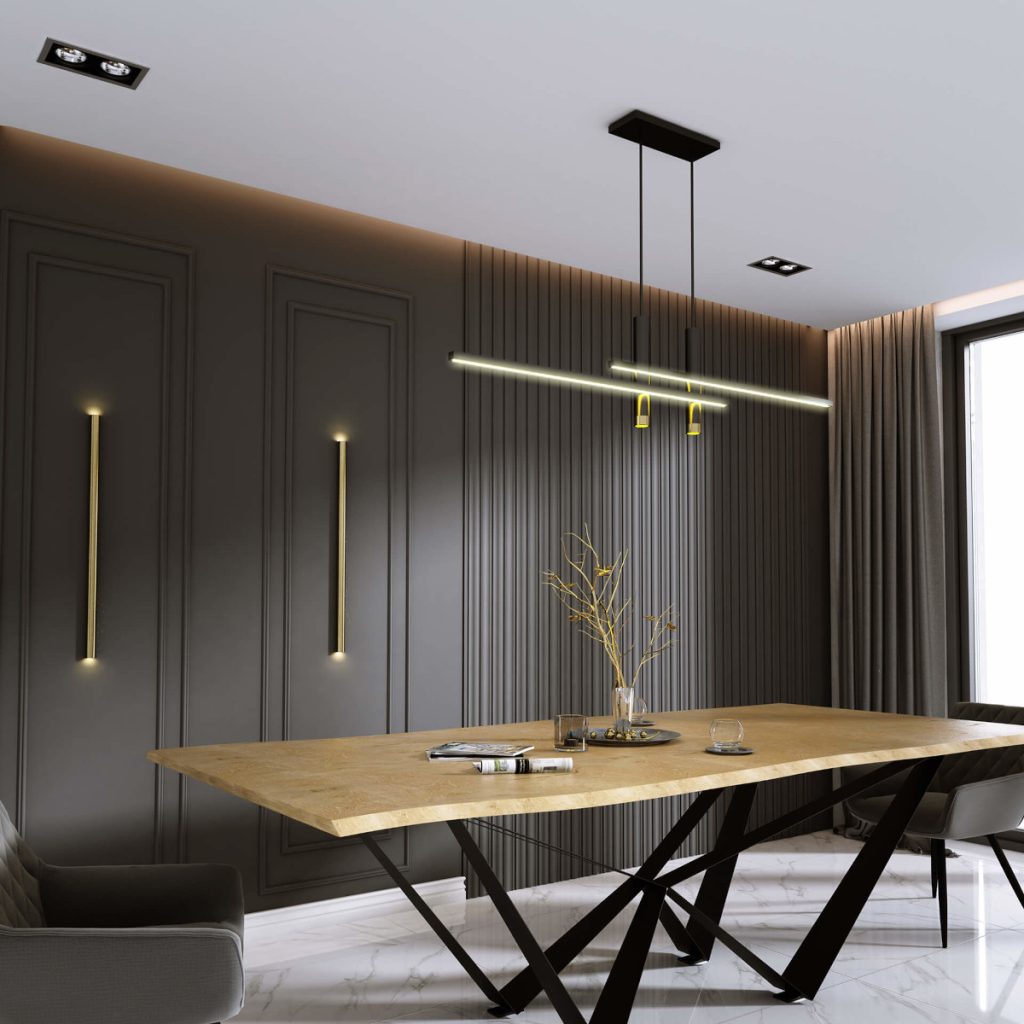
Ambient lighting provides overall illumination, whether through recessed ceiling lights, pendants, or discreet wall lights. Task lighting can then be added where it's needed most, such as bedside lamps for reading or desk lighting if the room includes a workspace. Accent lighting helps introduce warmth and atmosphere, with options including LED strips, picture lights, or illuminated shelving.
Integrated lighting within fitted wardrobes and bedroom cabinetry can be particularly effective in basement bedrooms. Soft internal lighting can help to brighten darker areas of the room and also make storage more practical to use.
Mirrors and reflective surfaces
Mirrors are a tried-and-tested way to increase the feeling of light and space in a basement bedroom. Positioned opposite a window, light well, or artificial light source, they’ll help bounce light around the room and create the impression of greater depth.
Other reflective finishes can have a similar effect, including glass-fronted furniture, metallic accents, and carefully chosen decorative accessories. The goal isn't to make the room feel overly glossy, but to introduce enough reflective elements to prevent light from being absorbed by every surface.
Mirrored wardrobes can be particularly effective in smaller basement bedrooms, as they combine storage and light enhancement in a single design feature. Alongside making the room feel brighter, they remove the need for a separate full-length mirror, which helps to make the most of the available floor space.
Choosing colours that feel warm below ground
The right colour palette can completely transform the atmosphere of a basement bedroom. As we’ve covered, lighter shades help maximise brightness, but warmth is equally important. Without it, a below-ground room can feel stark or disconnected from the rest of the home.
Earthy tones, muted greens, and warm accent colours work well in basement settings because they create a natural sense of comfort and depth. These shades help the room to feel grounded and inviting, and can complement the softer lighting conditions often found below ground level. Layering similar tones throughout the space can also create a cohesive, restful environment that's perfect for a bedroom.
It's also worth considering the strategic use of darker colours. Many people might assume they should avoid deep shades altogether in a basement bedroom, but a carefully chosen feature wall or darker joinery can be particularly effective. Richer tones can add character and create a cosy, cocooning feel that suits a basement bedroom, especially when balanced with lighter walls, flooring, or soft furnishings elsewhere in the room.
Working with low ceilings, pillars and awkward corners
Few basement bedrooms are perfectly straightforward spaces. Structural columns, bulkheads, exposed pipework, sloping ceilings, and alcoves beneath staircases are all common features that can make furniture placement more challenging. Rather than viewing these elements as obstacles, it's often better to treat them as opportunities to create storage and functionality that feels integrated into the room.
A few clever design techniques can also help the space feel larger and more balanced. Vertical lines, whether introduced through wall panelling, storage designs, or carefully chosen décor, will naturally draw the eye upwards and help create the impression of height. Low-profile furniture can prevent the room from feeling overcrowded, whereas floor-to-ceiling wardrobes make full use of the available space without creating multiple visual breaks across the walls.
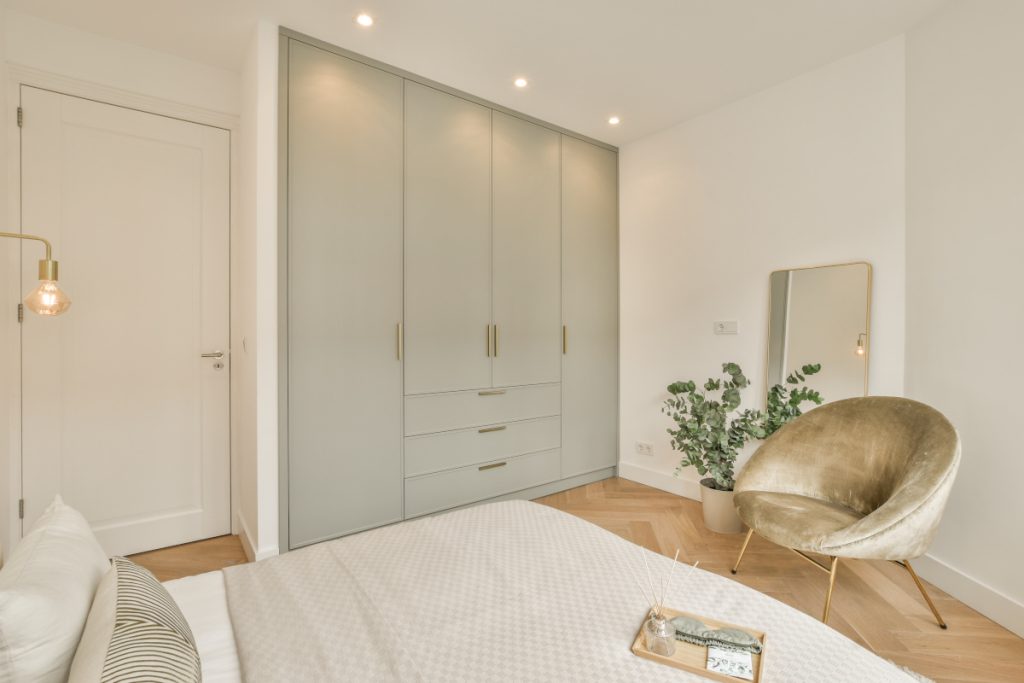
This is where fitted wardrobes often comes into their own. Freestanding pieces rarely fit neatly around awkward architectural features, and can leave wasted gaps and unused corners. By contrast, bespoke fitted furniture can be designed around every contour of the room, transforming previously unusable areas into practical storage.
Flooring that stays warm and comfortable underfoot
Flooring plays an important role in both the comfort and practicality of a basement bedroom. As below-ground rooms can feel cooler than the rest of the home, it's worth choosing a flooring option that feels warm underfoot whilst also coping well with the conditions typically found in basement spaces.
Carpet is a popular choice for bedrooms thanks to its softness, insulation, and ability to create a cosy atmosphere. Luxury vinyl tile (LVT) is another strong option. This is durable, easy to maintain, and highly resistant to moisture, so works well in basement environments whilst offering the appearance of wood, stone, or other natural materials.
Engineered wood can also work well in a basement bedroom, provided the space has been properly waterproofed and humidity levels are controlled. Unlike solid wood, engineered boards are designed to be more stable when exposed to changes in temperature and moisture, making them better suited to below-ground rooms.
For additional comfort, many homeowners choose to install underfloor heating beneath their chosen flooring. This can help to maintain a comfortable temperature throughout the room without taking up valuable wall space. Layering rugs on top of hard flooring is another great way to add warmth and texture, and can also be used to define different areas within the room.
Adding texture and soft furnishings
In a basement bedroom, texture is just as important as colour and lighting. When natural daylight is limited, layered materials and tactile finishes help create visual interest, warmth, and a sense of comfort that makes the room feel inviting throughout the year.
Bedding is often the easiest place to start. Layering different fabrics, such as crisp cotton sheets, quilted bedspreads, cushions, and textured throws, adds depth and makes the bed feel more luxurious. Combining a variety of materials can help the room feel thoughtfully styled without relying on bold colours or patterns.
If the bedroom includes light wells or windows, curtains and blinds can also contribute to the overall look and feel. Soft, textured fabrics help soften architectural features while introducing another layer of warmth. In rooms where privacy isn't a concern, lighter fabrics can allow as much daylight as possible to filter into the space.
An upholstered headboard can provide a useful focal point and bring softness to walls that might otherwise feel hard or flat. Similarly, rugs, woven accessories, natural materials, and textured wall finishes can all help break up large surfaces and create a more welcoming atmosphere.
Transform your basement bedroom with bespoke design
Creating a beautiful basement bedroom often comes down to making the most of the space available. From overcoming awkward layouts and maximising storage to selecting finishes that complement the room's character, bespoke furniture can help transform a challenging room into one that feels practical, elegant, and perfectly suited to your home.
At Kingswood, every piece of furniture is designed around your space and your requirements. Using the finest materials and finishes, our designers create completely bespoke solutions that maximise functionality without compromising on style. With over 100 years of British craftsmanship behind every project, you can be confident your furniture will be built to stand the test of time.
Book a complimentary design consultation to discuss your basement bedroom project with our team. We'll help you explore ideas, optimise your layout, and create tailored furniture that brings out the full potential of your space.
We offer a complimentary design visit in your home.
If you would like to get in touch with us about a project, please email us or call us on 0800 470 1112.