How to Design a Walk-In Wardrobe
Estimated reading time 9 minutes
A walk-in wardrobe is one of those features that sits at the top of a wish list for good reason. When it’s done well, it transforms the way a bedroom functions, replacing the daily friction of cluttered rails and overflowing drawers with a space that's calm, considered, and entirely your own.
But getting the design right takes more than clearing a spare room and adding some shelving. The best walk-in wardrobes are planned around how you actually live: your morning routine, how you organise your clothes, the balance of hanging versus folded. This guide covers everything that goes into designing a walk-in wardrobe that works as well as it looks.
Start with how you live, not how much you own
A walk-in wardrobe works best when it's designed around your daily habits rather than simply the amount of clothing you have to store. The way you get ready each morning, how often you rotate outfits, and whether the space is shared should all inform the design.
There are a few practical questions that are worth working through early. Is this a shared dressing space or dedicated to one person? Do you prefer everything visible at a glance, or neatly concealed behind closed storage? Do you tend to organise by category, season, or occasion? These details will directly influence the layout and storage you need.
Assess your space and understand what’s possible
Not every bedroom can accommodate the same type of dressing space, which is why it’s important to understand what you're working with before any design decisions are made.
A walk-in wardrobe is typically an enclosed space you step into, while a walk-through connects two areas such as a bedroom and en-suite. A dressing room is usually larger, with generous circulation space, seating, or a central island. The right option will depend on the space you have available.
There's often more potential in a home than might first appear. Alcoves, sloping ceilings, loft conversions, and irregular room shapes can all become highly functional storage areas with the right approach. This is where bespoke joinery makes a significant difference, by allowing every centimetre of space to be used properly, rather than forcing the room to fit standardised units.
Plan your layout before you think about finishes
Before considering colours, materials, or detailing, the layout needs to be resolved. This determines how the space functions day to day.
The main layout configurations
Single-wall or galley layouts often suit narrower rooms, keeping all storage along one side whilst maintaining a clear walkway. Double-wall or parallel layouts work well in slightly wider spaces, with storage running along both sides. L-shaped configurations are well suited to corner rooms or spaces where one wall is shorter, while U-shaped layouts are typically reserved for larger dressing rooms where storage wraps on three sides.
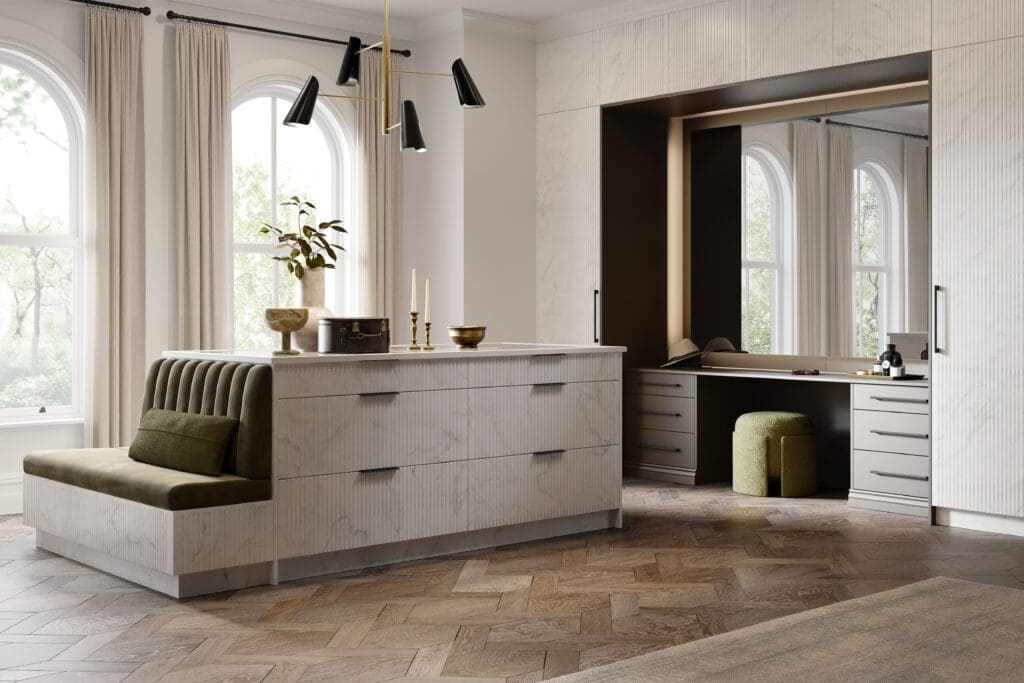
In more generous spaces, a central island introduces additional storage and a natural focal point. It’s often used for accessories, folded items, or to display ornaments.
Traffic flow matters in every layout. A well-designed walk-in wardrobe should feel easy to move through, with enough clearance to open doors, drawers, and fittings without obstruction.
Zoning your wardrobe
Once the layout is established, the space should be divided into functional zones, separating hanging, folded storage, footwear, and accessories in a way that reflects how the wardrobe is actually used.
In shared spaces, zoning by each individual will avoid overlap and improve organisation for both users.
You can map your existing wardrobe contents before design work begins to ensure nothing is overlooked and everything has its place.
Get the internal organisation right
Once the layout is in place, how the interior is structured becomes the priority. Every section should be designed around how it will actually be used.
Hanging storage
Hanging space typically forms the backbone of a walk-in wardrobe. Long-hang sections can accommodate dresses, coats, and longer garments, whilst double-hang sections maximise vertical space for shirts, jackets, and shorter items.
It can be easy to underestimate the amount of hanging space you need. It can be helpful to assess your existing wardrobe contents and measure the linear rail requirements before the design is drawn. Seasonal items can be built into the design too, maybe positioned higher or in less frequently accessed areas so your everyday essentials are kept within easy reach.
Shelving, drawers, and specialist storage
Shelving and drawer combinations provide flexibility for folded clothing and everyday essentials. Open shelving allows quick access and visibility; closed drawers give a cleaner, more streamlined result.
Specialist storage can significantly improve how the wardrobe functions in daily use. Shoe storage options include angled shelving, pull-out racks, or dedicated cubbies, depending on the size of the collection. Accessories can also benefit from integrated solutions; tie racks, belt pulls, jewellery drawers, and concealed mirrors all reduce clutter and improve organisation.
These internal fittings should be considered from the outset, not added once the main structure is built. They form a core part of the design, and getting them right is what separates a wardrobe that works from one that simply looks well-made.
Think carefully about lighting
Lighting is one of the most overlooked aspects of walk-in wardrobe design, but it has a significant impact on both usability and atmosphere.
Natural light is valuable but needs careful thought, particularly where garments might be exposed to fading over time, or where privacy is a consideration.
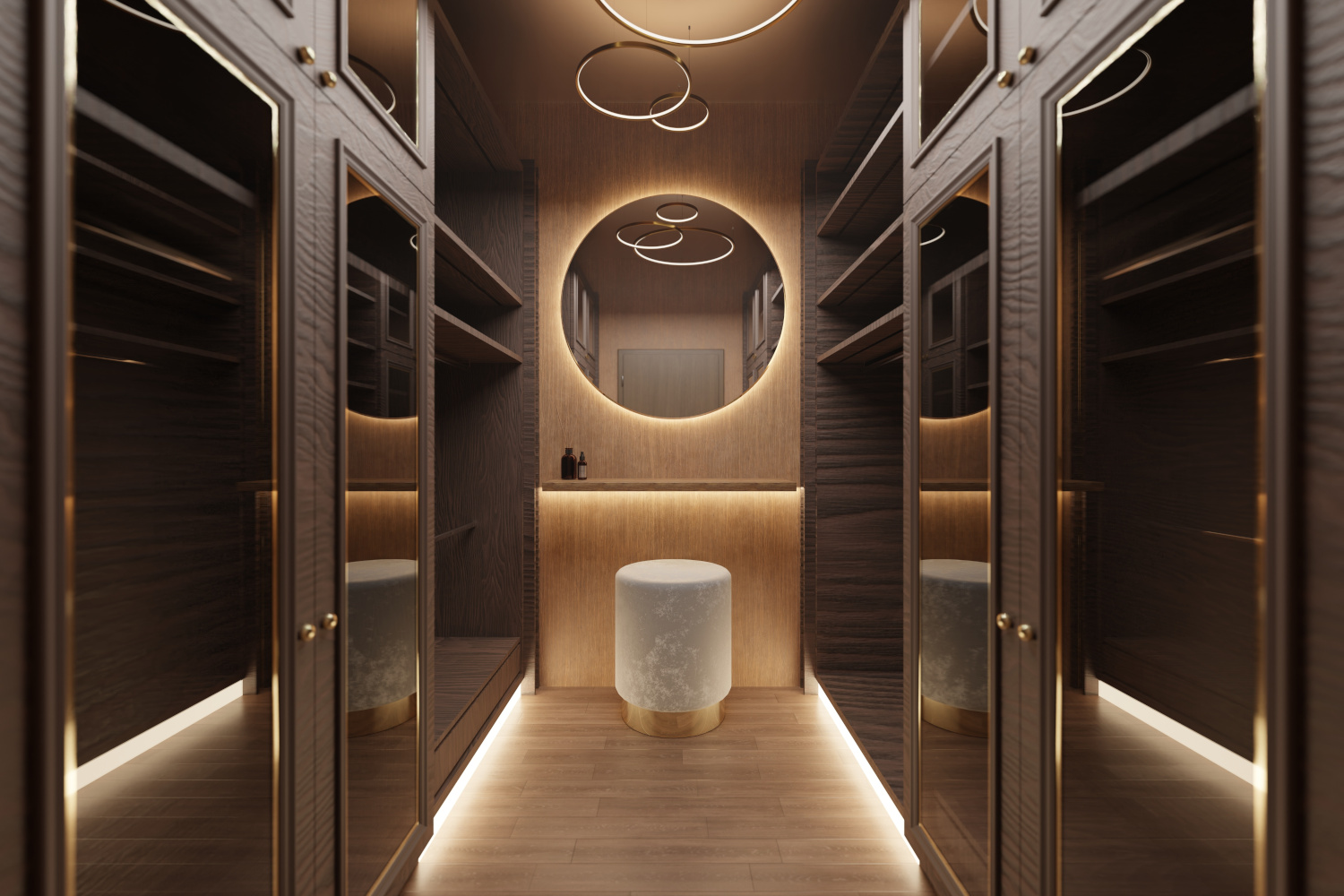
Artificial lighting should be layered. LED strip lighting highlights shelving and improves visibility within storage. whereas recessed downlights provide overall illumination. Internal cabinet lighting makes individual sections more practical and adds a sense of visual refinement.
Colour temperature is worth paying particular attention to. Lighting that runs too warm or too cool can distort how colours appear when you’re selecting outfits. Aim to choose a temperature close to natural daylight for the best results.
Choose materials and finishes that last
The choice of materials and finishes plays a major role in how a walk-in wardrobe looks, feels, and performs over time. Beyond aesthetics, it directly affects durability, maintenance, and how well the space sits within the wider bedroom.
Furniture-grade timber and high-quality painted finishes offer a far superior result compared to modular or flat-pack alternatives. They allow for cleaner detailing, richer surface quality, and a level of refinement that comes from proper craftsmanship rather than mass production.
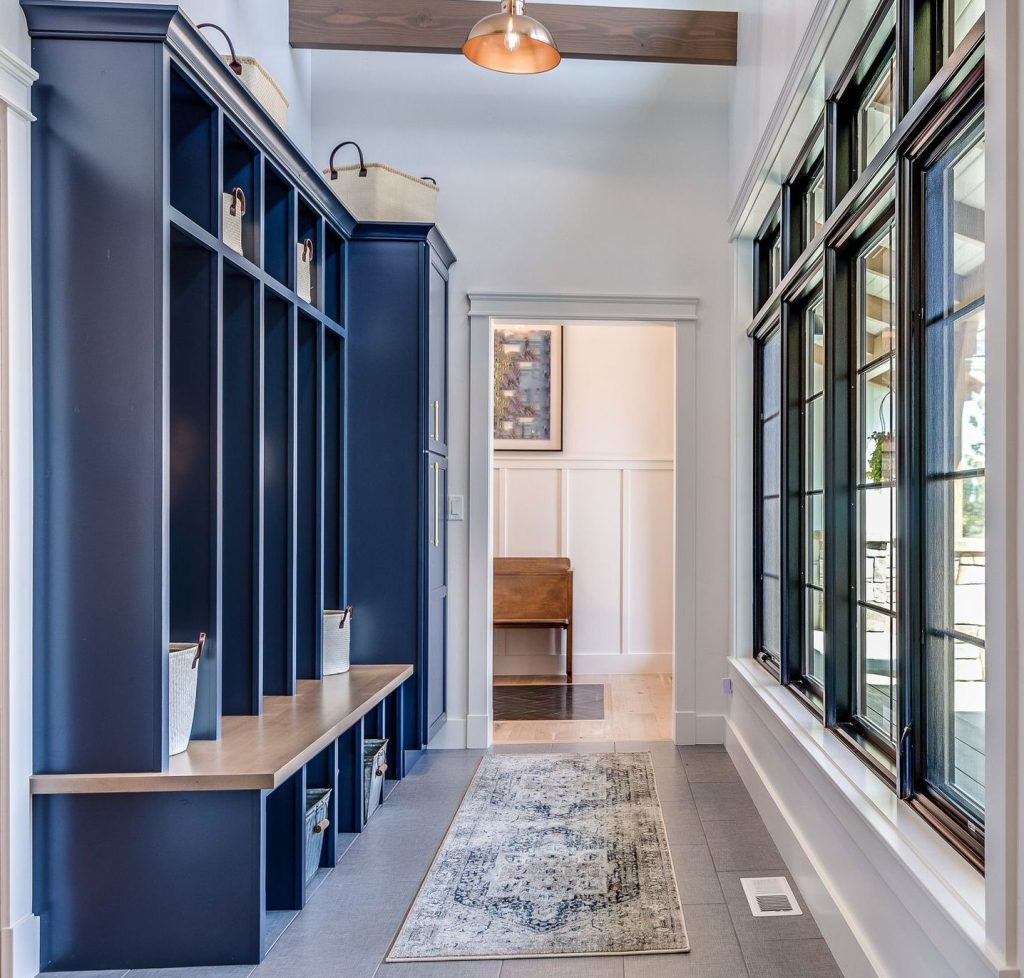
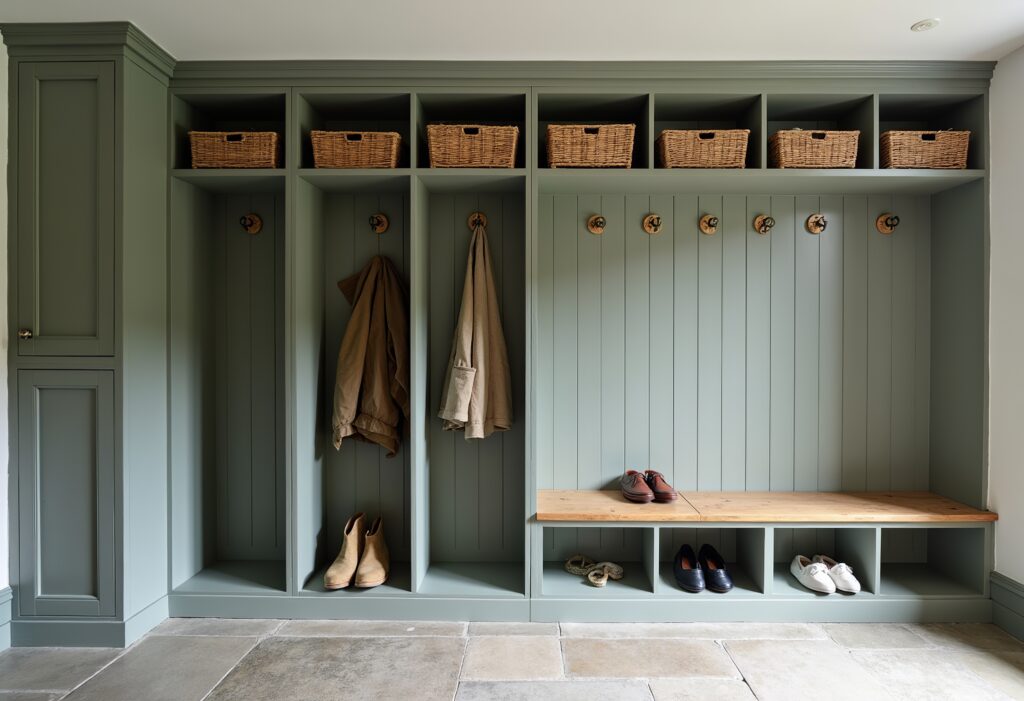
Colour choice is equally important. Soft neutrals such as warm whites, stone tones, and muted greys are often used to create a calm, understated feel, but deeper shades such as navy, charcoal, or forest green can introduce more contrast and a sense of depth. These finishes can be tailored to either blend seamlessly with the bedroom or create a more defined dressing space, depending on the desired effect.
Kingswood’s colour matching service allows finishes to be precisely aligned with existing interior elements, from wall colours to flooring and architectural details. This ensures the wardrobe feels integrated rather than added in.
Even small design choices make a difference. Handles, knobs, and ironmongery can shift the overall style from contemporary and minimal to more classic and decorative, subtly shaping the character of the space.
Kingswood provides a 25-year guarantee on cabinetry, reflecting the quality of both the materials used and the craftsmanship behind every installation. It gives reassurance that your wardrobe not only performs on day one, but for decades to come.
How to brief your designer
Preparing well for a design consultation leads to a more productive outcome and a more accurate design first time.
It's worth bringing basic room measurements, any inspiration images or mood references you've gathered, and a clear sense of what needs to be stored. A rough wardrobe inventory is particularly useful, as it allows the designer to plan hanging, shelving, and drawer requirements with real accuracy.
A good designer will ask detailed questions about lifestyle, habits, and how the space will be used day to day. These answers will ensure that the walk-in wardrobe design is crafted around the person using it rather than a generic template.
At Kingswood, the process begins with a complimentary design consultation, moving through design development, material selection, and installation. You won’t need the vocabulary of an interior designer to communicate your ideas - simply describing how you want the space to feel and function is a perfectly good place to start.
Common mistakes to avoid for your walk-in wardrobe design
Even well-planned walk-in wardrobes can fall short when a few key principles are overlooked. Most issues come down to balancing aesthetics with practicality, or leaving important decisions too late in the process.
- Prioritising appearance over function. A visually striking design matters, but storage efficiency and ease of use should always come first. A wardrobe that looks considered but doesn't work day to day quickly becomes frustrating.
- Underestimating hanging space. Hanging storage is consistently miscalculated, leading to overcrowded rails and a lack of flexibility. Planning around actual wardrobe contents before the design is drawn avoids this.
- Overlooking ventilation. Airflow plays an important role in keeping clothing fresh over time, particularly in enclosed spaces. It's easy to forget, and harder to resolve once the build is complete.
- Choosing finishes in isolation from the bedroom. Materials and colours should always be considered as part of the wider room scheme. Without this, the wardrobe can feel disconnected from the space it sits within.
- Leaving lighting too late. Lighting needs to be planned early to be properly integrated. Added at the end, it rarely achieves the same result, and often fails to fully support how the space is used.
Bringing your walk-in wardrobe design to life
A well-designed walk-in wardrobe comes down to thoughtful planning, a considered layout, and attention to the details that shape everyday use. When those elements come together properly, the result is a space that feels effortless and reflects how you live.
Kingswood designs every walk-in wardrobe around the individual home, from an initial idea through to a fully bespoke, handcrafted installation. If you're planning a new dressing space or rethinking an existing layout, a complimentary design consultation is the best place to begin.
We offer a complimentary design visit in your home.
If you would like to get in touch with us about a project, please email us or call us on 0800 470 1112.