Creative Playroom Ideas to Inspire Your Kids
Estimated reading time 9 minutes
Every parent knows the feeling. You tidy the playroom, close the door, and ten minutes later, it looks like the toy box exploded. Somehow, despite your best efforts, the space never quite works the way you imagined it would.
The truth is, most playrooms don't fail because of the children, they fail because of the design. When storage is an afterthought, clutter wins. And when a room is set up for one age, it quickly feels wrong for the next.
A well-thought-out playroom can change all of that. Not just a tidy room, but a space that actually supports how your kids play. At Kingswood, it's the kind of space we help families create every day.
In this guide, we'll walk through some of our favourite creative playroom ideas. Whether you're starting from scratch or rethinking a room that isn't quite working, there's plenty here to inspire you.
Why a well-designed playroom makes a real difference
A well-designed playroom has a genuine impact on how children play, learn, and develop independence. When a space is organised and thoughtfully laid out, it supports focus and creativity, and helps kids to build early habits around tidying and responsibility that can stick for years.
A cluttered or poorly planned room tells a different story. Too much visual noise and a lack of structure can make it harder for children to settle into sustained, imaginative play, which tends to lead to frustration rather than creativity.
Good playroom design doesn't mean the space has to feel clinical or stripped back. When the layout and storage have been carefully considered, warmth, colour, and personality can all sit comfortably alongside order - and the result is a room that genuinely works for the whole family.
Start with the space you have
Every home presents different spatial challenges, whether that’s compact rooms or awkward layouts. But, with the right approach, these limitations can become opportunities for smarter, more usable design.
Making the most of small or awkward rooms
Small or unusually shaped rooms often hold far more potential than they first appear, especially when the design is tailored to the space rather than forced into it. Bespoke fitted furniture can make use of alcoves, corners, sloped ceilings, and irregular layouts that standard off-the-shelf storage simply can't accommodate.
Freestanding pieces tend to leave gaps and underused areas, losing valuable floor and wall space in the process. A fitted approach means every inch of the room is considered. Perhaps this involves a run of low cabinetry along one wall, open shelving built into an alcove, or storage that follows the roofline in a loft conversion – all can create a play space that feels intentional.
This is particularly valuable in rooms that aren't perfect rectangles. A tailored design turns a challenging layout into a highly functional, well-organised space that still feels open and inviting.
Multi-use rooms that work for the whole family
Playrooms often need to work harder than a single-purpose space, especially in busy family homes where the room might also need to function as a guest space, home office, or relaxed family area. The key is a layout that supports different uses without the room feeling fragmented or overcrowded.
Zoning can help achieve this by subtly separating activities within one cohesive design. One area might be dedicated to toys and imaginative play, while another is set up for reading, homework or quiet time, all without the need for physical partitions. Careful choices around storage, furniture, and finishes will help everything to feel unified, so the room stays calm and consistent even when it's serving multiple purposes.
Zoning your playroom for different types of play
Dividing a playroom into distinct zones brings structure to play without limiting creativity. When different activities have their own defined areas, kids can move more easily between quiet time, creativity, and active play, and tidying up becomes far more intuitive because everything has a clear home.
A dedicated reading nook
A defined reading space can make a noticeable difference to independent reading habits. Kids are more likely to reach for a book when they’re presented in an inviting setting.
Built-in shelving at child height keeps books easily accessible. Adding integrated seating, such as a cushioned window bench or a built-in nook with a padded base, creates a sense of separation and encourages longer periods of focus. Soft, layered lighting will complete the effect, giving the nook a calm, cosy feel that's distinct from the rest of the room.
A creative and art zone
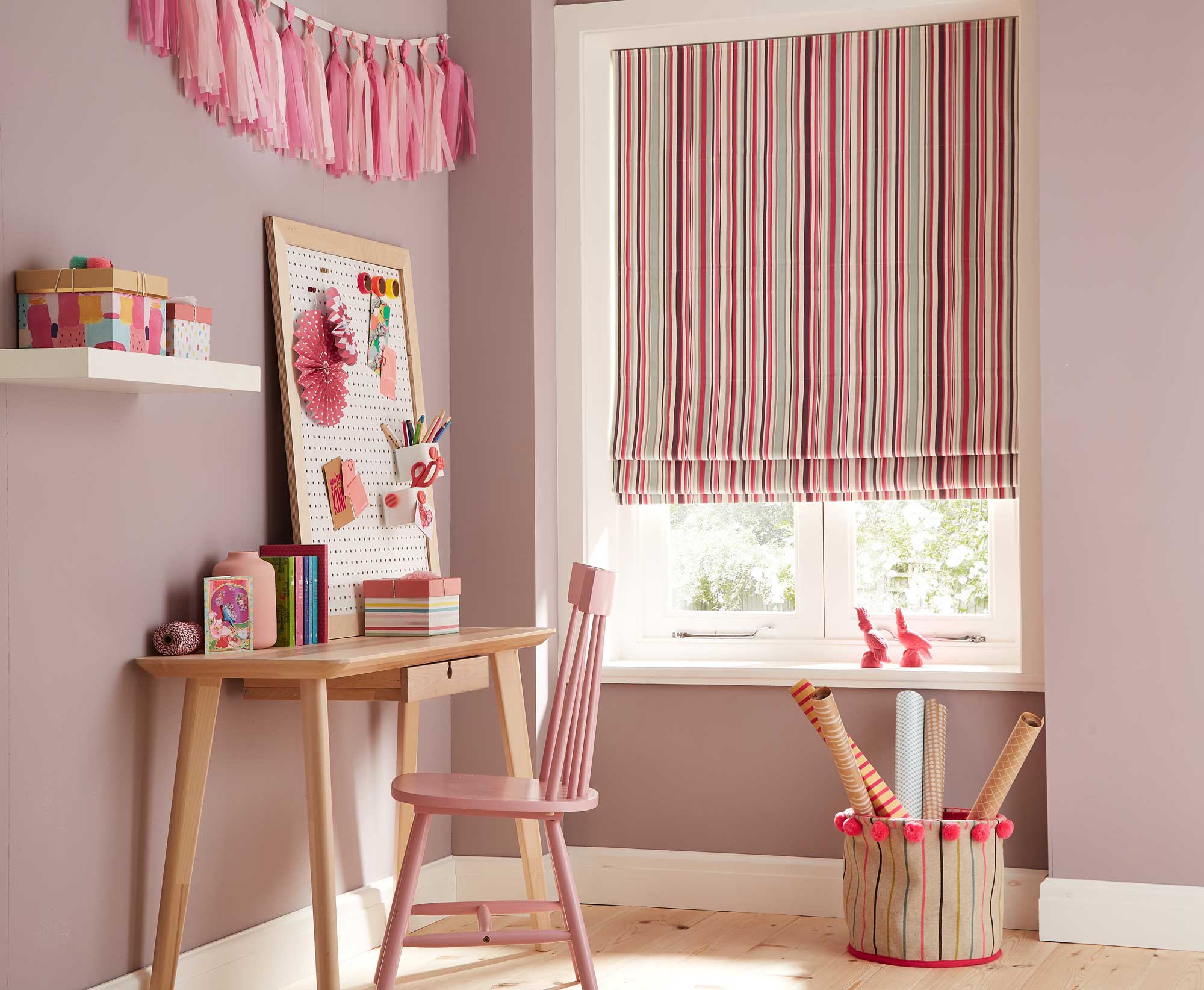
A dedicated creative area contains the inevitable mess of art and craft activities while keeping everything within easy reach. Fitted storage with designated spaces for pens, paints, paper, and ongoing projects keeps materials organised without putting them out of sight, which matters, because children are more likely to use things they can see.
Think deep drawers for bulkier supplies, open pigeonholes for paper and sketchbooks, and a clear worktop that can be wiped down easily. Durable, easy-clean surfaces are essential here, especially for painting and crafting with younger kids.
Active and imaginative play space
Even in smaller rooms, preserving open floor space for movement-based and imaginative play is important. Wall-mounted and fitted storage solutions keep floors as clear as possible, making the room feel larger and more versatile.
Larger toys, dressing-up clothes, and building sets work well stored in accessible, clearly defined spaces, such as open-fronted cubbies or labelled pull-out drawers, so kids can take things out and put them away without help. Flexible layouts that can adapt as interests shift work best here, whether that's more floor space for early years or a more structured setup as children grow.
Smart storage ideas that keep clutter under control
Good storage is what turns a playroom from a constantly chaotic space into something that feels calm, usable, and easy to maintain. The most effective designs are built around how kids actually use a room day to day, not around generic, one-size-fits-all solutions.
Built-in shelving and cabinetry designed around real life
Effective kids' room storage needs to accommodate what actually needs to be stored, like oversized toys, board games, dressing-up clothes, art supplies, and books. When shelving and cabinetry are designed around these specific items, everything has a natural place, which makes it far easier to keep the room organised.
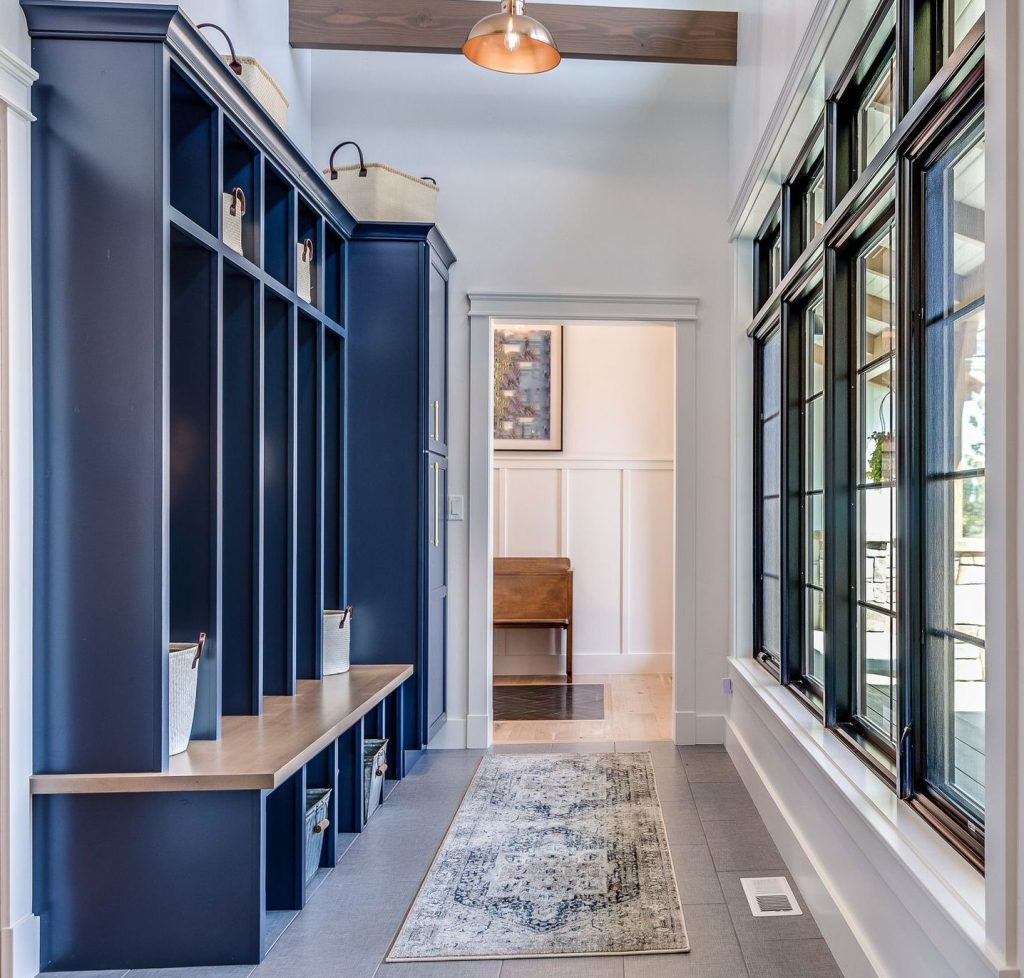
A combination of open shelving and closed cabinetry works particularly well in playrooms. Open storage allows favourite toys and books to be displayed and easily reached; closed sections keep the less visually appealing items neatly out of sight. This balance maintains both practicality and a sense of calm.
With fitted joinery, storage becomes part of the architecture of the room rather than something added in afterwards, creating a seamless finish that feels considered from every angle.
Low-level storage children can use independently
Designing storage at a child's height encourages independence and makes tidying a natural part of play rather than a separate chore. When kids can clearly see where things belong, they're far more likely to put them back.
Pull-out drawers, open cubbies, and clearly defined zones make organisation intuitive and accessible. Simple labelling reinforces this, particularly as children grow and start recognising categories for different items. It's a gentle way to build good habits over time and it helps children feel genuinely responsible for their space.
Design ideas that grow with your child
A well-designed playroom should evolve alongside your child, adapting to changing interests, routines and stages of development. Rather than becoming outdated, thoughtful children's fitted furniture ensures the space stays practical and relevant for years.
Flexible furniture that adapts over time
Good fitted design is planned with change in mind. Adjustable shelving and adaptable layouts make it easier to shift the room's function as kids grow, without needing a complete redesign each time.
A space that works brilliantly for a toddler won't look or function the same for a school-aged child or pre-teen, but quality design allows those transitions to happen smoothly. Storage can be reconfigured, display areas repurposed, and layouts adjusted to suit new routines and activities as they emerge.
Investing in well-made, adaptable furniture also makes financial sense over the long term. Instead of replacing pieces repeatedly as needs change, a single considered design can serve a child through multiple stages, which reduces waste and can deliver far better value over time.
Choosing colours and finishes that last
Striking the right balance between playful and timeless matters when choosing colours and finishes for a playroom. Bold choices add personality but grounding them in more enduring tones can help to ensure the space doesn't feel dated too quickly.
Kingswood's colour matching service allows for precise coordination with the rest of the home, so the playroom sits naturally within the wider interior rather than feeling like a separate world.
A bespoke playroom designed around your family’s everyday life
When all of these elements come together - the right zones, storage that works at every height, furniture built for the space rather than squeezed into it - your playroom will feel calm, practical, and genuinely enjoyable to be in. A space where your kids want to play, and where tidying up doesn't feel like a battle. The best place to start is with a conversation. Book a complimentary design appointment with our team and we'll turn your ideas - and your space - into a practical, considered plan that works for your family now and as your children grow.
We offer a complimentary design visit in your home.
If you would like to get in touch with us about a project, please email us or call us on 0800 470 1112.