Biophilic Design at Home – How to Bring Nature into Your Interiors
Estimated reading time 7 minutes
Many of us spend more time indoors than we once did, which has led to a growing desire to create homes that feel connected to the natural world. Whether it's a room filled with natural light, the warmth of timber furniture, or a carefully chosen collection of houseplants, bringing elements of nature indoors can help a space to feel more welcoming and comfortable to live in.
This approach is known as biophilic design and in this guide, we'll explore how to introduce it into your home through natural materials, colour palettes, lighting, planting, and thoughtful furniture choices.
Where biophilic design comes from and how it translates indoors
The term biophilia was popularised by biologist Edward O. Wilson in the 1980s, who described it as humanity's innate tendency to make connections with nature and other living things. Over time, architects and interior designers began applying this idea to the spaces where we live and work, creating environments that feel more connected to the natural world.
Today, biophilic design is often associated with houseplants, but its principles extend much further. Rather than focusing on a single feature, biophilic design works best when multiple elements come together. Natural light, tactile materials, thoughtful planting, and furniture designed to complement the architecture of a space can all play a role in creating interiors that feel comfortable and connected to their surroundings.
Natural materials that bring warmth and character
Natural materials sit at the heart of biophilic design, introducing texture, variation, and authenticity to a space. Whether used in furniture, flooring, textiles, or decorative details, these materials help to create interiors that feel grounded and inviting.
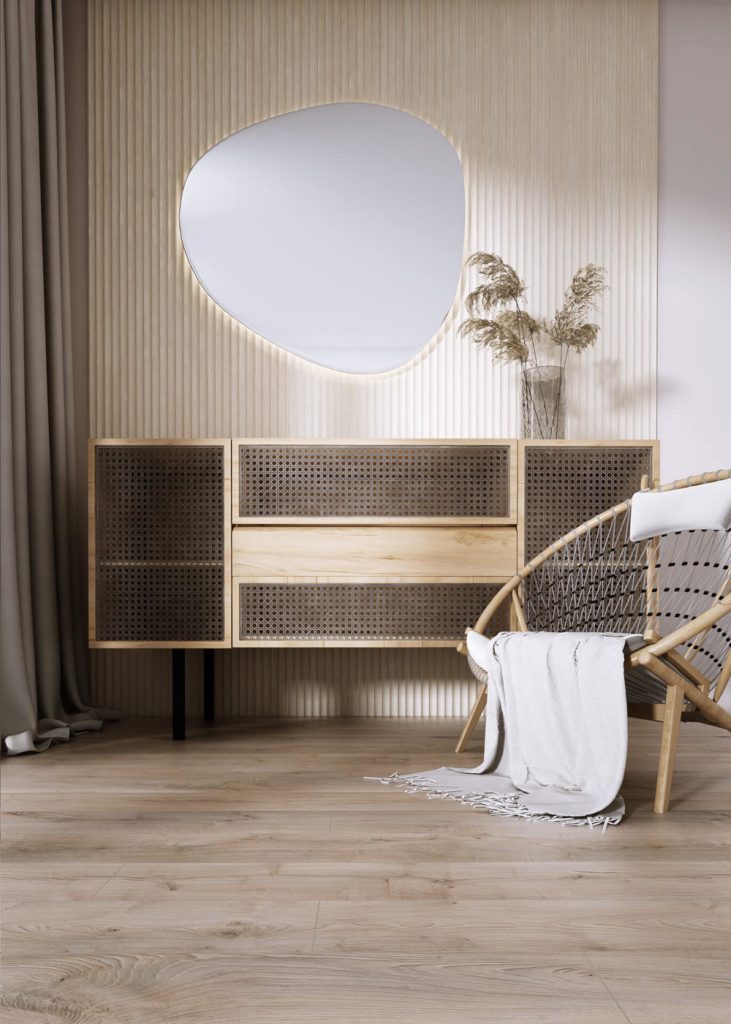
Timber is one of the most effective ways to bring nature indoors. Visible wood grain, knots, and subtle tonal variations add character and ensure that no two pieces are exactly alike. From oak cabinetry and walnut shelving to timber wall panelling, natural wood introduces warmth and creates a lasting connection to the landscape from which it came.
Stone offers a different but equally appealing quality. Whether incorporated through flooring, worktops, fireplaces, or decorative accessories, it brings a sense of permanence and texture to a space. Combined with softer materials such as wool, linen, cotton, or cane, it helps to create the layered look that’s often associated with nature-inspired interiors.
Textiles also play an important role. Linen curtains filter light beautifully, wool rugs add softness underfoot, and woven materials introduce subtle texture without overwhelming a room. These tactile finishes encourage a more relaxed and comfortable atmosphere while adding visual depth throughout the home.
Choosing colours drawn from the landscape
A nature-inspired interior takes cues from the landscapes around us, to create a sense of harmony through colours that feel timeless and easy to live with.
Looking to nature can provide a useful starting point. The muted tones found in woodland settings, open countryside, coastal environments, and natural stone formations often work well in the home because they sit comfortably alongside natural materials. Rather than competing for attention, they create a backdrop that allows the texture and craftsmanship of furniture, flooring, and architectural details to stand out.
Balance is key. A room filled with a single colour can feel flat, even when the shade itself is beautiful. Layering different materials and finishes will help to introduce contrast and depth. The grain of timber, the weave of a fabric, or the subtle variation within natural stone all add visual interest without disrupting the calm feel of the scheme.
Letting natural light do more of the work
Natural light is a powerful tool in biophilic design. It changes throughout the day, which helps rooms to feel more open and connected to the outdoors.
Making the most of daylight often starts with a few simple adjustments. Keeping window areas as clear as possible, choosing window dressings that don't block excessive light, and avoiding tall furniture directly in front of windows can all help to maximise the amount of daylight in a room.
Furniture layout plays an important role too. Positioning seating, desks, or reading corners close to windows will allow you to benefit from natural light throughout the day and also create a stronger visual connection with the garden or surrounding landscape.
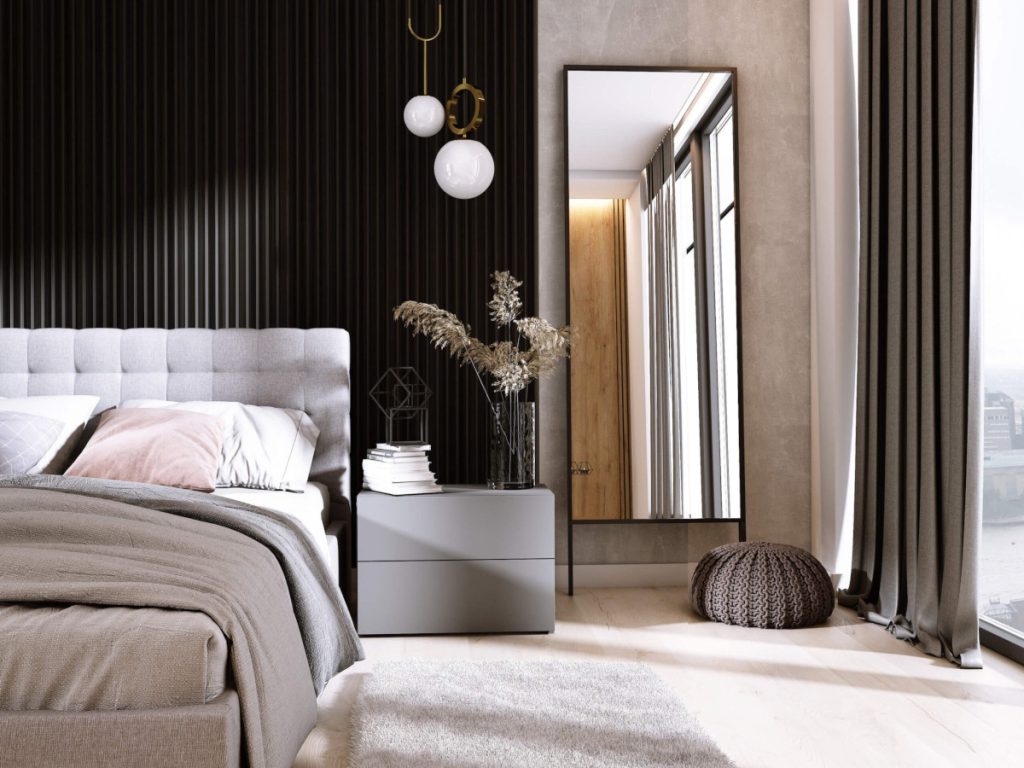
Mirrors are a useful way to increase the sense of light and space. When positioned opposite or adjacent to a window, they can reflect daylight deeper into a room and create the impression of a larger, brighter interior. Reflective finishes and glazed surfaces can also achieve a similar effect without feeling overly contemporary or stark.
For smaller rooms, fitted furniture can help maintain an open feel without compromising on storage. Mirrored wardrobes, carefully positioned cabinetry, and floor-to-ceiling designs can draw the eye upwards while helping natural light move more freely around the space.
Displaying plants without cluttering the room
Plants are often the first thing people think of when discussing biophilic design, but the way they're displayed can make a big difference to the overall feel of a room. A carefully considered arrangement will often have far more impact than filling every available surface with greenery.
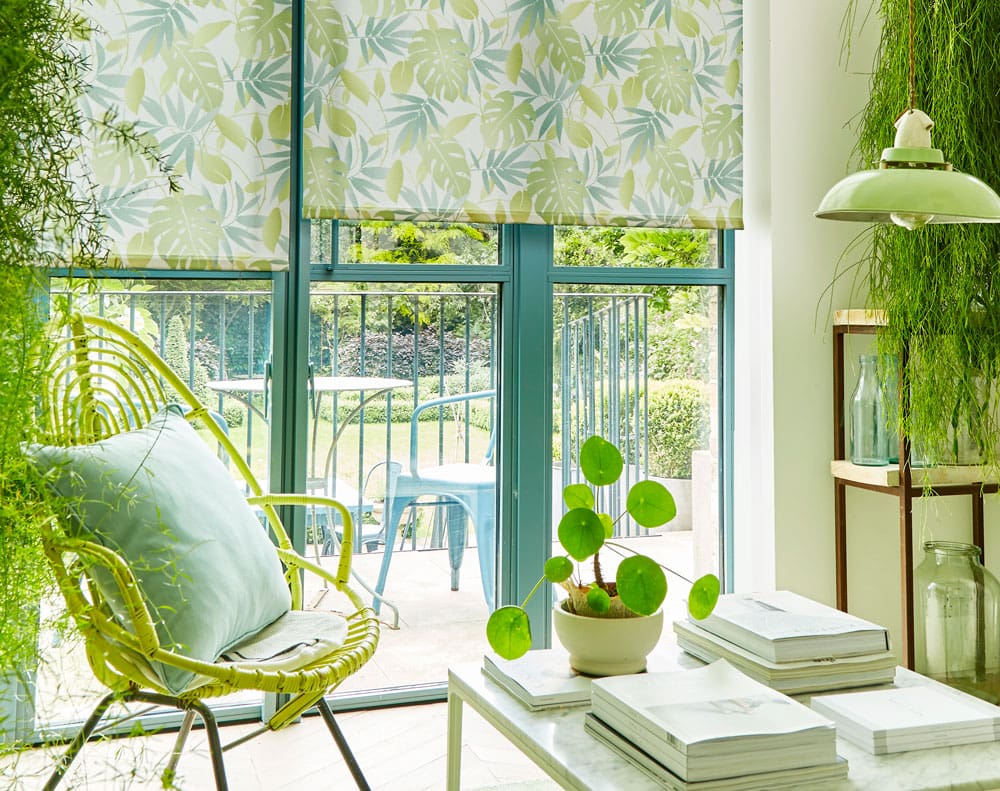
Grouping plants together can create a stronger visual statement and also make maintenance easier. Varying the height, shape, and leaf size of plants helps to create a more natural look, much like you would find outdoors. Combining upright varieties with trailing plants can also add depth and movement to shelving, alcoves, and corners that might otherwise feel underused.
It's equally important to consider where plants will thrive. South-facing windows could suit sun-loving species, whereas bathrooms often provide the humidity that tropical plants prefer. It’s often better to match plants to the conditions within a room, rather than trying to adapt the space around them.
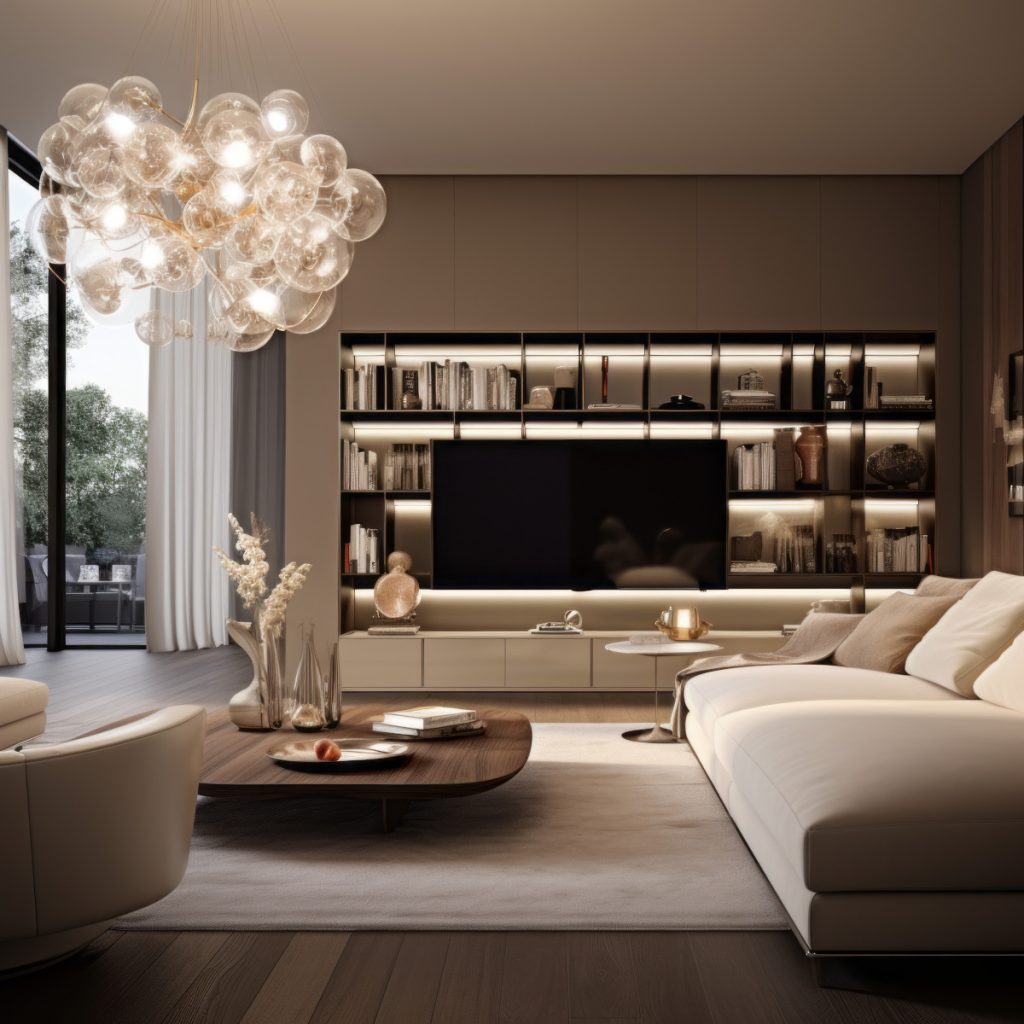
Built-in furniture can provide dedicated areas for displaying greenery without creating clutter. Open shelving, library cabinetry, and bespoke display units offer space for plants to sit alongside books, artwork, and treasured objects, helping them to feel integrated into the room rather than added as an afterthought.
Texture, pattern and organic shapes
Biophilic design isn't only about the materials you choose. The shapes, patterns, and textures within a room can also help create a stronger connection to the natural world.
Nature rarely follows perfectly straight lines, which is why interiors often feel softer and more inviting when they incorporate organic forms. Curved furniture, rounded edges, arched details, and gently flowing silhouettes can introduce a sense of movement that contrasts beautifully with the fixed structure of a room. Even small details, such as a curved mirror or a rounded coffee table, can help soften a space.
Pattern can have a similar effect. Rather than bold, geometric designs, biophilic interiors often draw inspiration from the irregular forms found in nature. Subtle references to leaves, branches, waves, or natural landscapes can add interest without dominating the scheme.
Create a nature-inspired home with Kingswood
The most successful biophilic interiors don't rely on a single feature. Instead, they bring together natural materials, considered colour palettes, thoughtful lighting, texture, planting, and bespoke furniture to create spaces that feel cohesive and connected to their surroundings.
Whether you're redesigning a bedroom, creating a bespoke home library, or planning fitted furniture for an entire property, taking a holistic approach can help to ensure every element works in harmony.
At Kingswood, every piece of furniture is designed around your home and the way you live. Our completely bespoke designs are handcrafted in the UK using the finest materials, combining over 100 years of British craftsmanship with exceptional attention to detail.
If you're looking to bring the principles of biophilic design into your home, we'd love to help. Book a complimentary design consultation and discover how bespoke furniture can help to create a space inspired by the natural world and tailored entirely to you.
We offer a complimentary design visit in your home.
If you would like to get in touch with us about a project, please email us or call us on 0800 470 1112.