Alcove Desk Designs for Small Spaces
Estimated reading time 8 minutes
A small space shouldn’t have to feel like a compromise - it usually just needs a more considered approach. When every centimetre is planned with intent, even the most compact room can feel purposeful and balanced.
Nowhere is this more evident than in an alcove. Often overlooked or left underused, these architectural recesses are already doing half the work, as they frame a space without the need for structural change. With the right design approach, they can become one of the most functional areas in the home.
This is where bespoke joinery makes the difference. Off-the-shelf furniture might occupy an alcove, but it rarely belongs there. A made-to-measure solution ensures every line, depth, and proportion is designed specifically for the space, so you have a workspace that feels integrated rather than imposed. At Kingswood, we specialise in turning those overlooked corners into tailored, highly usable areas that support your daily routines and the wider interior scheme.
In this guide, we explore some of the ways that alcove desk designs can be adapted for small spaces, from floating worktops and built-in storage to integrated lighting, material choices, and fully bespoke configurations that make every inch work harder.
Floating alcove desks
A floating desk is often the most effective solution for smaller alcoves, especially where you want to maintain plenty of floor space. By fixing the work surface directly to the side walls, the design appears lighter and more open; this can help the alcove feel less enclosed while still providing a fully functional workspace.
This wall-mounted approach also means the desk sits precisely within the proportions of the recess, with no need for bulky legs or freestanding supports. It can be paired with open shelving above or flush cabinetry to either side to create a cohesive, built-in composition.
Finish plays an important role in how the design sits within the room. Painted surfaces can help it blend into surrounding walls for a seamless effect, or natural wood veneers and deeper tones can add contrast and warmth. Integrated cable management and discreet storage, such as shallow drawers, keep the surface clear and practical without disrupting the visual simplicity.
Built-in alcove desks with overhead storage
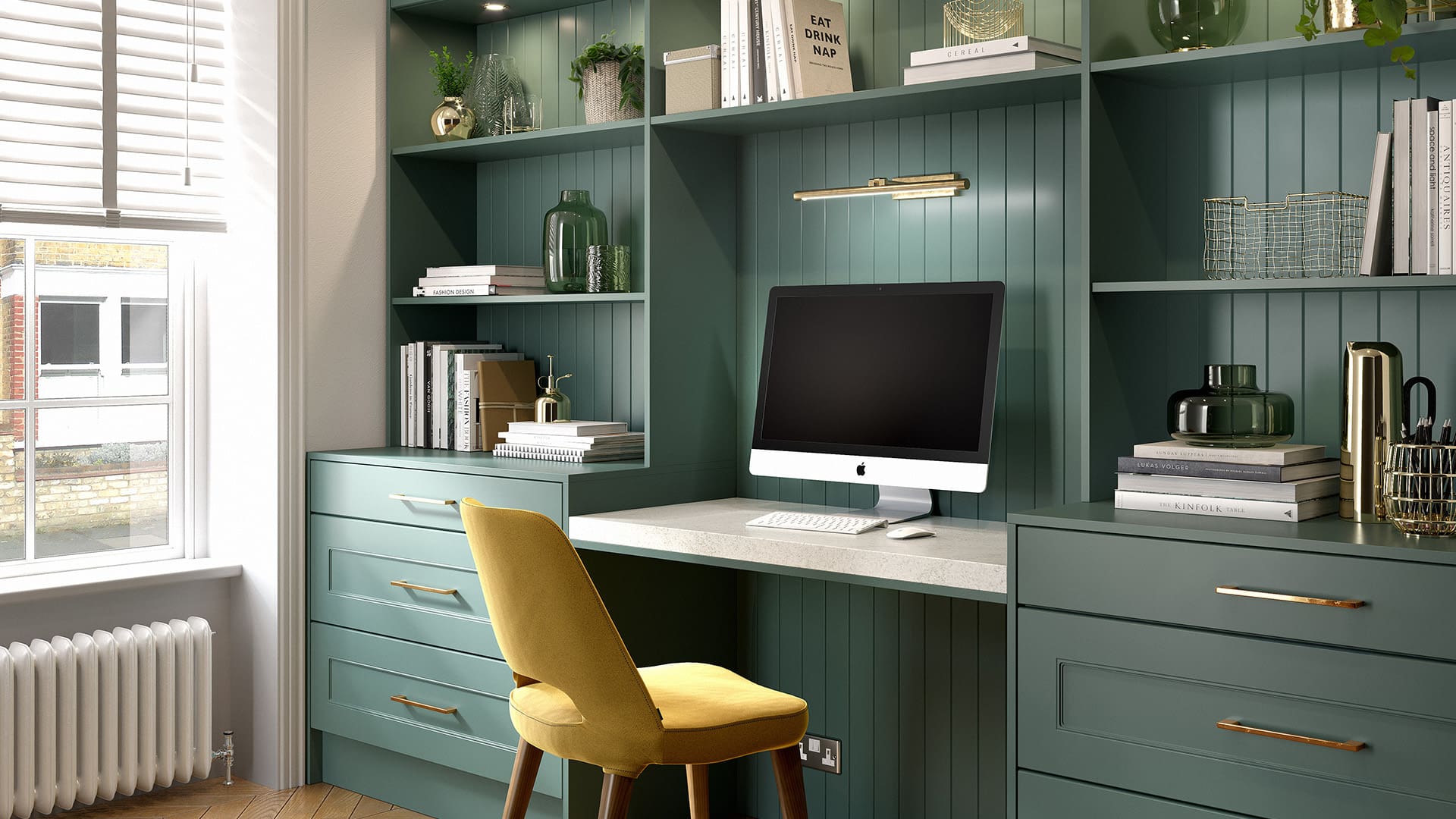
When floor space is limited but vertical height is available, built-in alcove desks with overhead storage make efficient use of the full recess. Thee alcove becomes a complete workstation by extending the design upwards, with everything contained neatly within a single structure.
The desk would sit at a natural working height, with shelving, cabinetry, or a mix of both positioned above. This keeps essentials within reach and avoids the need for additional furniture elsewhere in the room. Closed storage can be used to conceal clutter, whilst open or glass-fronted shelving helps maintain a lighter, more open feel.
It’s important to keep things balanced. Overloading the upper section can make the space feel too heavy, so the proportions need to be carefully considered to preserve a sense of openness.
A well-executed example might include a full-height alcove unit with a recessed desk at mid-level, framed by open shelving above and deeper drawers below. Everything aligns within the same footprint, creating a functional workspace that feels calm, organised, and entirely bespoke.
Corner and L-shaped desk alcove configurations
Where an alcove meets a corner, an L-shaped configuration can make far better use of the available footprint, extending the workspace without encroaching into the room. It means the desk gains additional surface area for different tasks, so the workspace becomes more usable. It’s a particularly effective approach in smaller rooms where every surface needs to work harder.
Precision is critical here. The junction where the two runs meet needs to be seamlessly executed, with no visible joins or awkward transitions. This will ensure the space stays practical and comfortable to use day to day.
A typical example might include a primary alcove desk spanning the recess, with a shallow return extending along the side wall. The two surfaces work together as a dual-zone setup, offering both focus and flexibility within a compact footprint.
Integrated alcove desk and wardrobe combinations
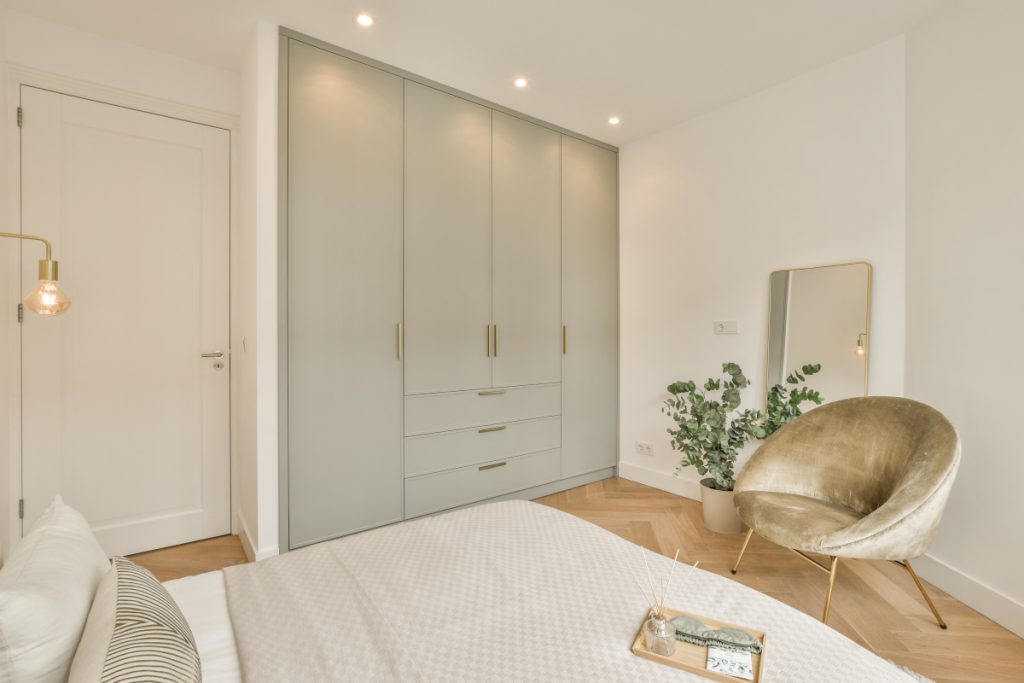
In bedrooms and dressing rooms, alcoves often need to work harder than a single-purpose desk allows. Combining a workspace with a fitted wardrobe or drawer storage creates a more efficient use of the recess by bringing multiple functions together within one unified design.
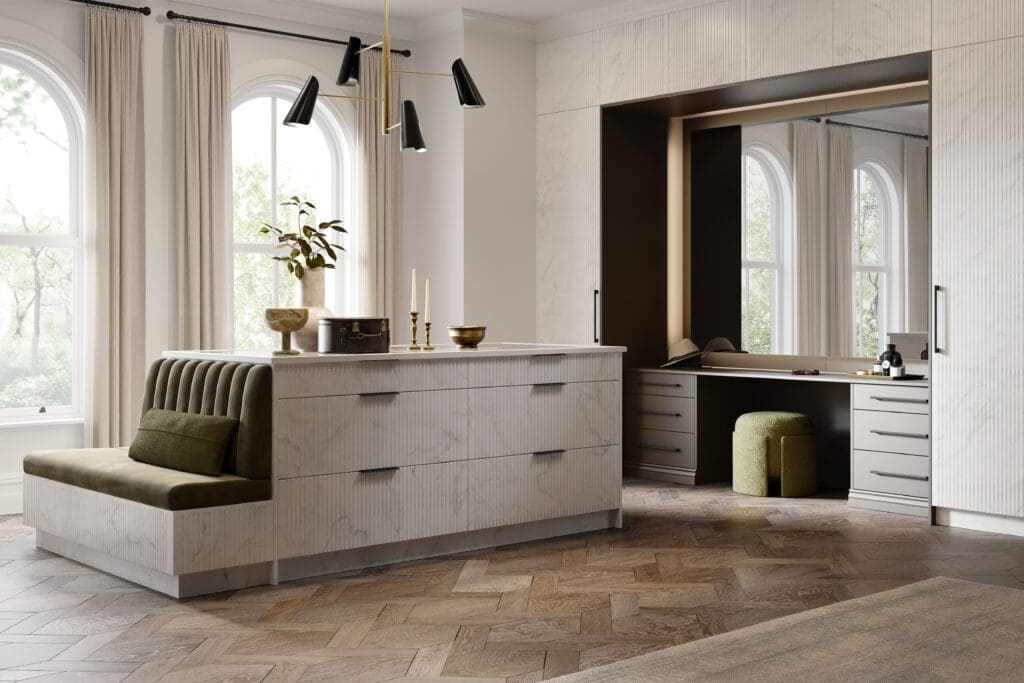
Rather than treating the desk and storage as separate elements, bespoke joinery allows them to be considered as a single composition. This helps to maintain visual consistency and prevents the alcove from feeling fragmented or overcrowded.
Storage can be integrated on either side of the desk, with full-height wardrobes, tall cabinetry, or drawer stacks that frame the central workspace. This keeps the desk recessed and defined, and still ensures practical storage is close at hand. Internal detailing, such as soft-close drawers and concealed handles, helps maintain a calm, uncluttered appearance.
Lighting within alcove desk designs
Lighting has a significant impact on how an alcove workspace feels and functions, especially in smaller spaces where natural light can be limited. When it’s considered as part of the joinery design, rather than added afterwards, it helps the space feel more intentional and comfortable to use.
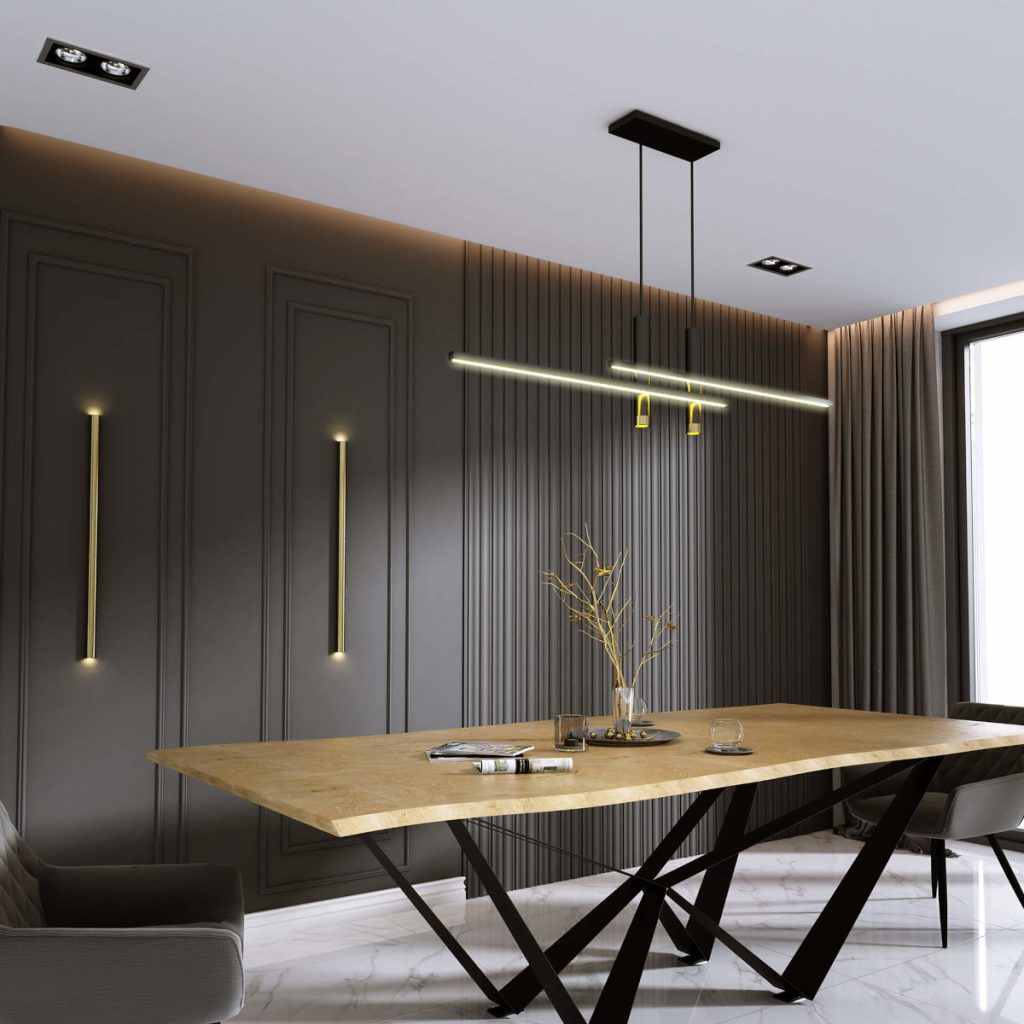
Integrated LED lighting is often used beneath overhead shelving or inside cabinetry to provide even, practical illumination across the work surface. This removes harsh shadows and ensures the desk remains usable throughout the day, no matter the external light conditions. Task lighting can also be built into the design, offering focused brightness where it’s needed most.
Beyond function, lighting plays an important role in atmosphere. Subtle washes of light can soften the edges of the alcove and make it feel less enclosed, and warmer tones will help to create a more relaxed working environment.
Material and finish choices for small spaces
Material and finish decisions have a significant impact on how an alcove desk sits within a room, especially where space is limited. A cohesive approach, often using a single material or closely related palette, can help the design feel more unified and visually calm.
Painted finishes are a popular choice for alcove joinery, especially when colour matched to surrounding walls. This creates a seamless effect, allowing the desk and storage to sit quietly within the space rather than standing apart from it. Alternatively, natural wood veneers can introduce warmth and texture, helping to ground the design and add subtle contrast.
Detailing also plays an important part. Edge profiles, handle selections, and surface thickness all influence how refined the final piece feels. Minimal hardware can keep the focus on form and proportion, whereas more considered detailing can introduce a subtle sense of craftsmanship.
The value of a bespoke approach
A made-to-measure alcove desk removes the compromises that come with standard furniture. In a small space, even slight mismatches in depth, height, or proportion can affect how usable and balanced the area feels, which is where bespoke joinery makes the difference.
Every element is designed specifically for the alcove it occupies, from the exact desk dimensions through to integrated storage, cable management, and finishes that align with the rest of the room. This level of precision allows the space to feel cohesive, efficient, and properly resolved, rather than adapted after the fact.
At Kingswood, the process typically begins with a detailed consultation, followed by design development and handcrafting, before installation by specialists who ensure everything fits as intended. It’s a structured approach that prioritises accuracy at every stage, so you can enjoy joinery that sits comfortably within both the architecture and the wider home. With a 25-year guarantee underpinning the quality of construction, it reflects a long-term commitment to durability as well as design.
Turning alcoves into purposeful workspaces
An alcove desk, when properly considered, can shift from an overlooked corner to one of the most useful areas in the home. Whether it’s a floating workstation, a fully built-in unit, or a combined storage and desk configuration, the most successful designs come from treating the alcove as part of the architecture rather than a gap to fill. With the right balance of proportion, material, and detailing, even the smallest recess can feel purposeful and refined.
For those looking to explore what’s possible in their own home, a considered design approach makes all the difference.
Contact us for more information or book your design appointment today.
We offer a complimentary design visit in your home.
If you would like to get in touch with us about a project, please email us or call us on 0800 470 1112.