How do shaker wardrobes compare to flat panel wardrobes?
Estimated reading time 2 minutes
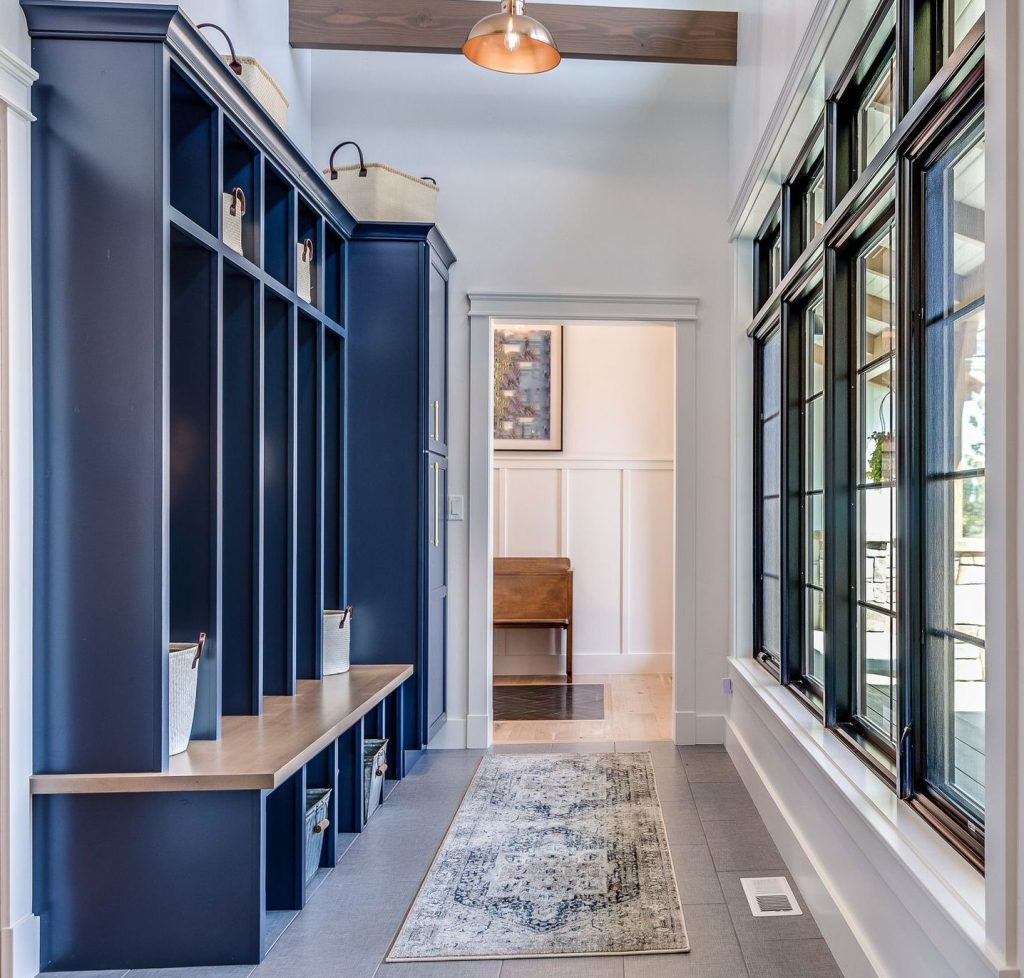
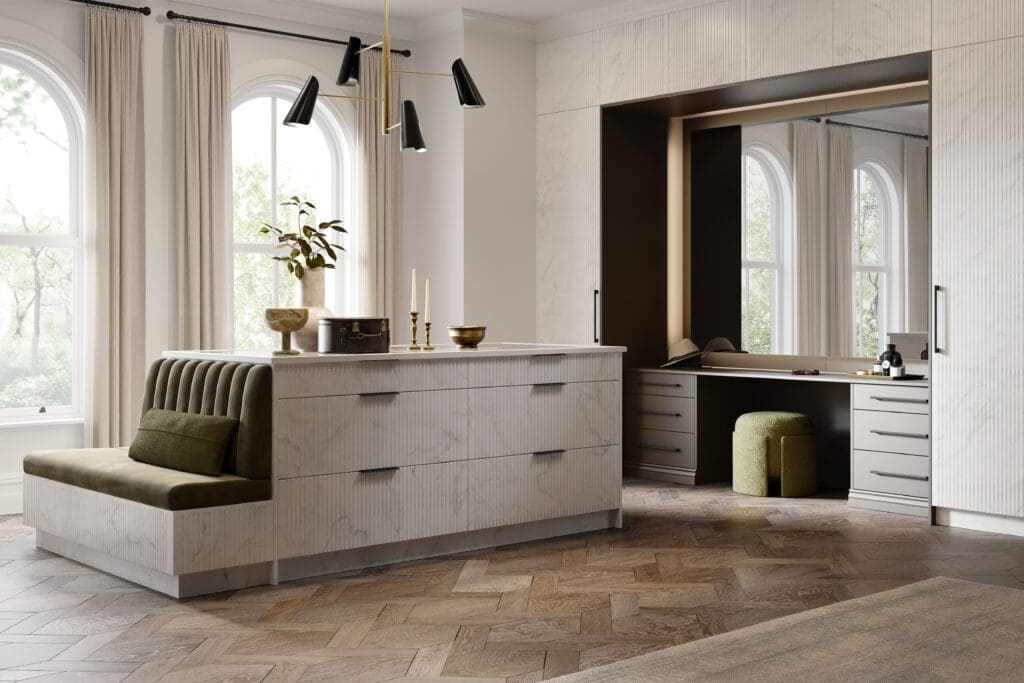
Shaker wardrobes and flat panel wardrobes represent two distinct approaches within fitted wardrobe design. Both are considered clean and contemporary choices, but they differ in the degree of visual detail they introduce into a room.
Key differences between shaker and flat panel wardrobes:
- Shaker doors feature a recessed centre panel set within a visible frame; flat panel doors are completely flush with no frame or recess
- Shaker wardrobes introduce a degree of visual texture and depth; flat panel wardrobes offer a completely smooth, unbroken surface
- Shaker works across both traditional and contemporary interiors; flat panel is primarily suited to minimal or industrial aesthetics
- Shaker doors pair naturally with a wider range of hardware styles; flat panel doors often suit handleless configurations
- Shaker finishes tend to read as warmer and more characterful; flat panel finishes read as cooler and more austere
The choice between the two is largely a matter of the interior context and the homeowner's aesthetic preference. In a room with other period or characterful details, the shaker frame adds a layer of visual interest that complements the wider scheme. In a strictly minimal interior where every surface is intended to be flush and uninterrupted, a flat panel door may be more consistent.
Both styles are available as made-to-measure fitted wardrobes and can be customised in the same range of colours and internal configurations. The decision between them is therefore primarily visual rather than functional.
In short, shaker wardrobes offer more visual character and design versatility than flat panel wardrobes, making them a strong choice for homeowners who want a clean but not entirely minimal aesthetic.