Creative Nursery Design Ideas That Grow with Your Child
Estimated reading time 7 minutes
Designing a nursery is about creating a space that grows with your child. With the right approach, you can easily balance style, functionality, and flexibility, making life easier for parents whilst also providing a comfortable and inspiring environment for little ones.
In this blog, we’ll share creative ideas for nurseries that can adapt over time, from flexible furniture and clever storage to playful zones and personal touches. Whether you’re planning a first nursery or refreshing an existing space, these tips will help you create a room that’s ready for every stage of childhood.
Flexible furniture for every stage
Flexible furniture is the key to creating a nursery that adapts as your child grows. Think about the essentials that can evolve over time. A convertible crib, for example, can transform into a toddler bed and later a full-size bed, giving you long-term use from a single piece. You could also choose a changing table that doubles as a dresser once the diaper days are over, or a rocking chair that can serve as a reading chair later.
Modular furniture is another option - shelves, cubbies, and storage units can all be rearranged to suit different needs, from toy storage to books or craft supplies. Even small pieces like stools or benches can pull double duty as seating and storage.
When planning the layout, think about pieces that can grow with your child. A desk with adjustable height can start as a drawing station and later become a study desk. Foldable or stackable tables and chairs are useful for temporary activities like playdates or crafts and then can be easily stored when not needed.
A colour palette that evolves with age
Choosing a colour palette that evolves with your child can help the nursery to stay fresh and adaptable as their tastes change. It can be best to start with a neutral base – think soft creams, greys, or muted pastels, as these can provide a calming backdrop which also allows you to layer in bolder accents over time.
Accent colours can easily be swapped through accessories such as cushions, rugs, wall art, or curtains, which can give the room a new feel without a full redesign. For example, you might begin with gentle blues or greens for a calming environment, then introduce brighter tones like mustard, coral, or teal as your child grows and develops their personality.
Patterns and textures are also important. Striped or geometric wallpaper panels can add interest without overwhelming the space, and can be updated or complemented with artwork and textiles as preferences change. Even painted furniture can be refreshed with a new shade to keep the room relevant from nursery through childhood.
Interactive wall features and playful décor
Interactive wall features and playful décor can turn a nursery into a space that sparks curiosity and creativity. Consider walls that do more than just look nice, such as chalkboard or whiteboard panels to let children doodle, draw, and practice letters. Or removable wall decals can add fun shapes, animals, or scenes that change as your child grows.
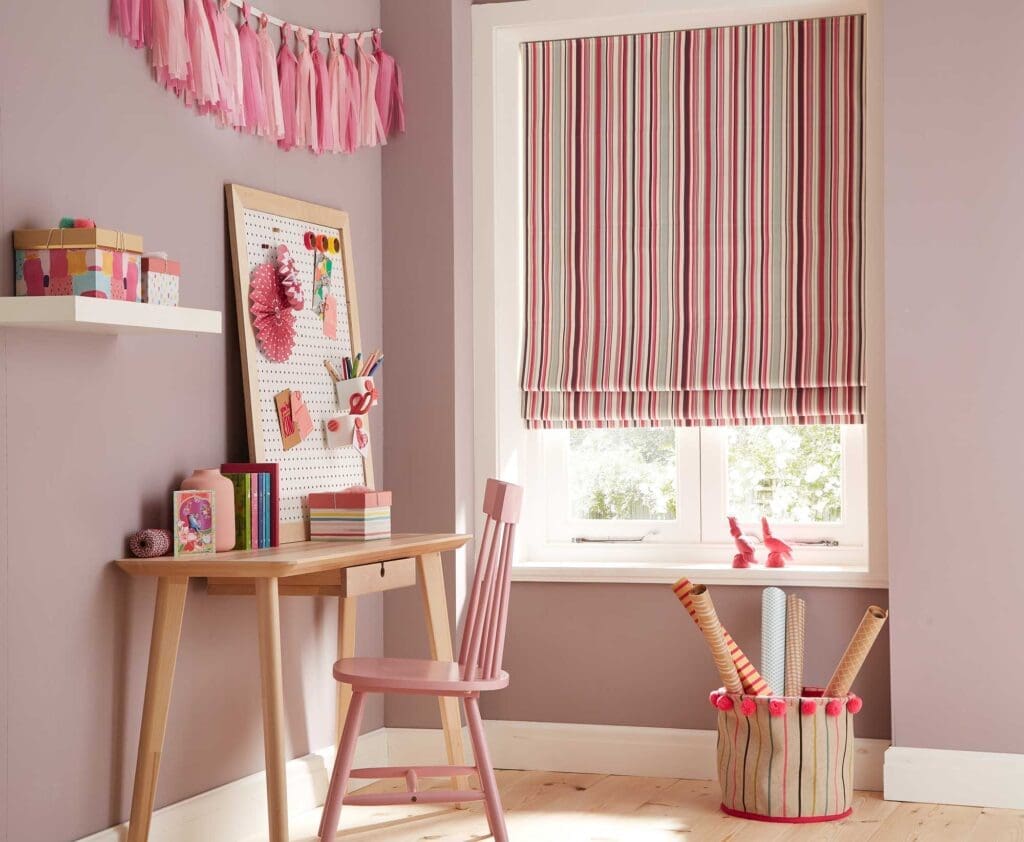
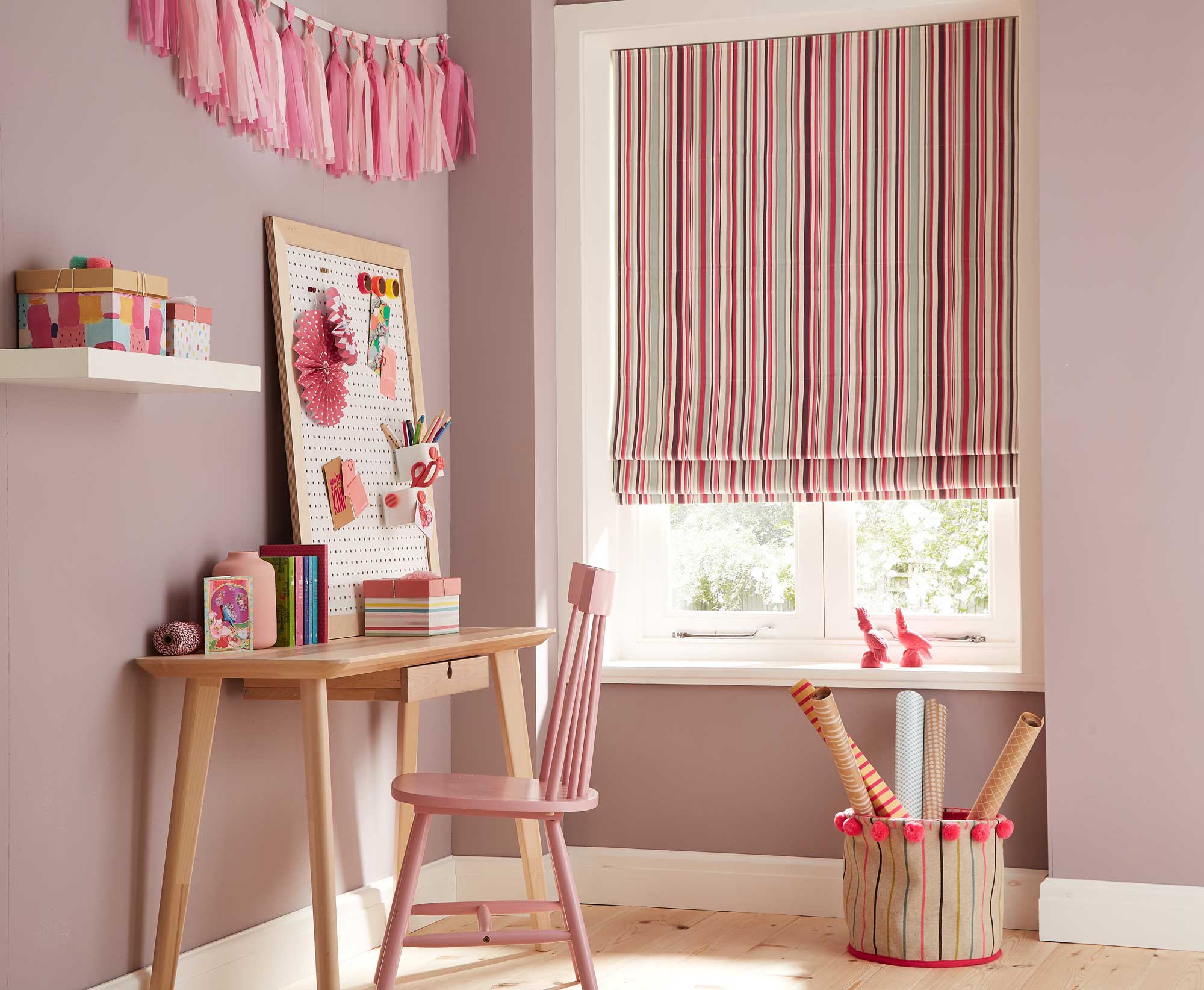
A gallery wall of framed prints can be updated easily with your child’s own artwork, to help encourage self-expression and create a sense of pride in their space. Pegboards or wall-mounted baskets can provide accessible storage for toys or craft supplies, turning the walls into functional play areas.
For younger children, sensory elements such as textured wall panels, soft felt shapes, or 3D decals can add an extra layer of engagement. As they grow, these walls can evolve into more educational spaces, with alphabet charts, maps, or interactive games.
Built-in storage for toys, books, and essentials
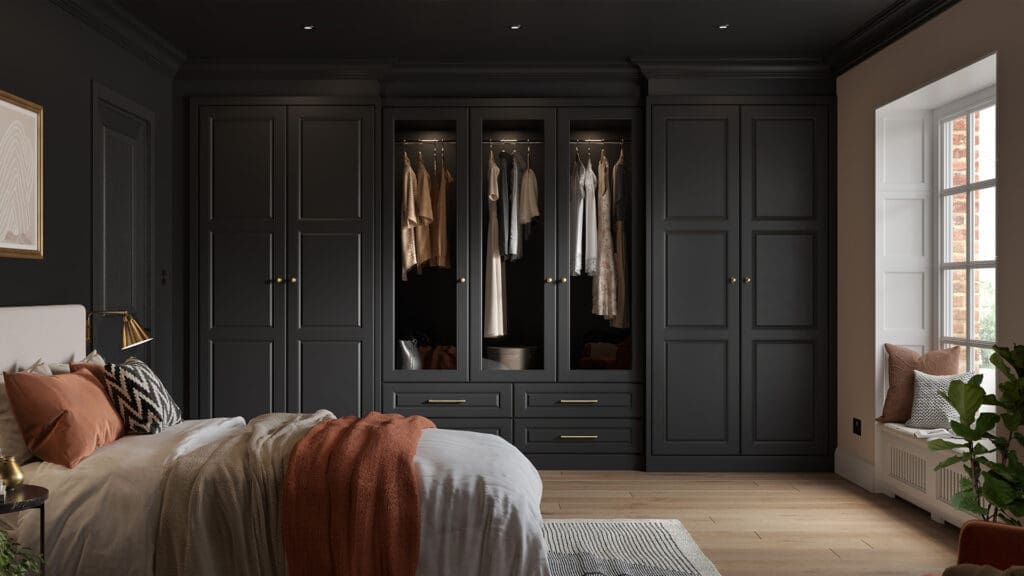
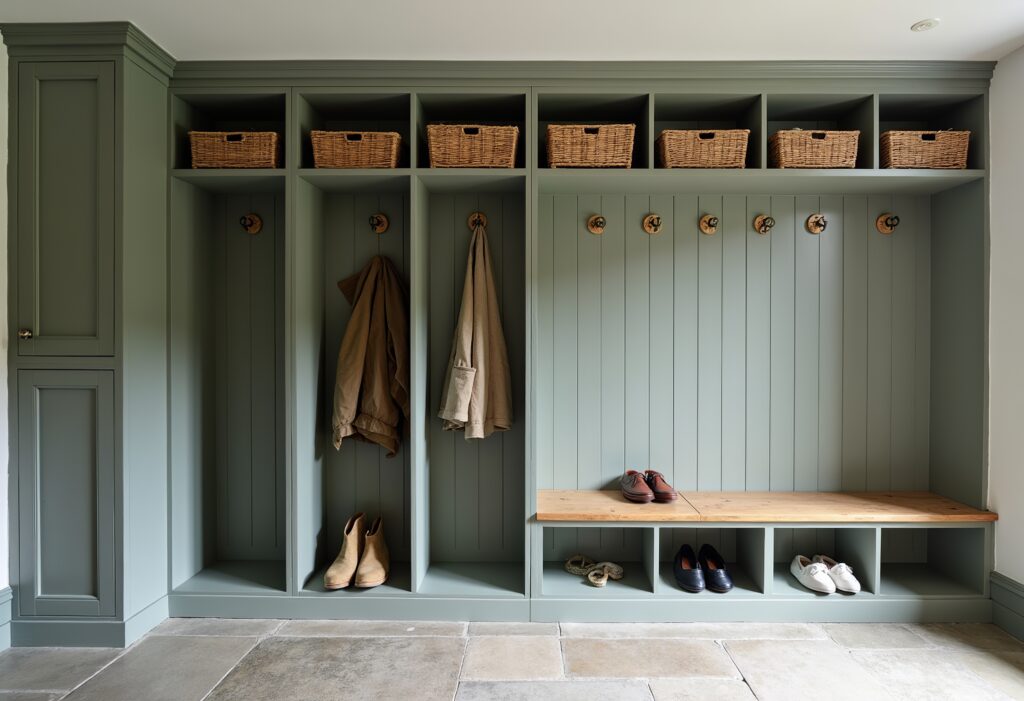
Built-in storage is a practical way to keep a nursery organised whilst maximising space. Custom units can be designed to perfectly fit the room, providing dedicated spots for toys, books, clothing, and everyday essentials without cluttering the floor.
You could consider low-level shelving or cubbies that are easily accessible for little hands, as this can help to encourage independence as your child learns to tidy up. Tall cabinets or cupboards can store items out of reach when needed, with the option to add adjustable shelves as storage needs change. Open shelving can display favourite books and keepsakes, or closed cupboards will keep the room looking tidy and streamlined.
Multifunctional seating with purpose
Multifunctional seating adds both comfort and practicality to a nursery by creating spots for reading, relaxing, or supervising play. A built-in window seat or bench with built-in storage is a perfect example: it provides a cosy nook for story time whilst also keeping toys, books, or blankets neatly tucked away underneath.
Armchairs or small sofas can double as comfortable spaces for feeding or cuddles, and some designs even include hidden compartments for nappies, wipes, or soft toys. Floor cushions or poufs are another flexible option, providing seating that can be moved around the room or stored when not in use.
Zones for learning, playing, and relaxing
Creating distinct zones for learning, playing, and relaxing can help a nursery feel organised and supports your child’s development at every stage. You can start by thinking about the main activities that will take place in the room and assign areas accordingly.
A dedicated play zone can include a soft rug, toy storage, and easy-to-access shelves or bins, to give your child space to explore without cluttering the rest of the room. A learning corner might include a small table and chairs for drawing, crafts, or early reading activities, with adjustable storage nearby for art supplies or books.
The relaxation zone can be a reading nook with a cosy chair or window seat, where cushions and blankets create a calming environment for quiet time or naps. Using rugs, shelving, or even different paint colours can help visually define each zone to make it clear where different activities belong.
Personal touches that last
Personal touches will make a nursery feel warm, unique, and truly your child’s own, whilst still being adaptable as they grow. Consider adding items that have sentimental value, like framed family photos, a favourite storybook collection, or heirloom toys, and display them in ways that are both accessible and decorative.
Custom artwork, name plaques, or wall decals can add personality without committing to permanent changes, and these can evolve as your child’s interests change. Even small details, like a hand-painted pattern on a piece of furniture or a bespoke cushion, can give the room character and make it feel special.
Smart lighting for mood and function
Smart lighting can transform a nursery by balancing practicality with atmosphere. Adjustable lights allow you to create the right mood for different activities: bright, clear lighting for play and learning, and soft, warm tones for story time or winding down before bed.
You could consider using dimmable ceiling lights or wall-mounted lamps that can be controlled via a remote or smartphone, as these can give you flexibility without disturbing a sleeping child. Nightlights or motion-sensor lights are another practical addition, and can provide gentle illumination for late-night feeds or trips to the nursery without any harsh glare.
Layering lighting will also add interest and functionality: think a ceiling fixture for overall brightness, a task light for reading corners, and ambient lighting near storage or seating areas to make the room feel cosy and organised.
Create a nursery that grows with your child
Bring your nursery vision to life with Kingswood’s bespoke designs. From built-in storage and window seats to handcrafted furniture tailored to your space, every element is designed to be both beautiful and practical. Our team works with you to create a room that adapts as your child grows, combining style, functionality, and lasting quality.
Contact us today to start designing a nursery that’s as unique as your family and ready for every stage of childhood.
We offer a complimentary design visit in your home.
If you would like to get in touch with us about a project, please email us or call us on 0800 470 1112.